What is VIA?
VIA, which stands for Vendor Integrity Access, is CRIF's platform for connecting verified vendors and buyers across the Philippines. It is built on the idea that business relationships work better when both parties have access to accurate, reliable information about who they are dealing with.
The platform currently serves over 40,000 active B2B buyers. Vendors on the platform are matched with buyers based on verified business profiles, industry fit, and capability — not volume or chance.
What is VIA Vendor Fair?
VIA Vendor Fair is the platform's annual in-person event. It brings vendors, buyers, procurement leaders, and government representatives together for a structured day of sessions, panel discussions, and Business Matching appointments.
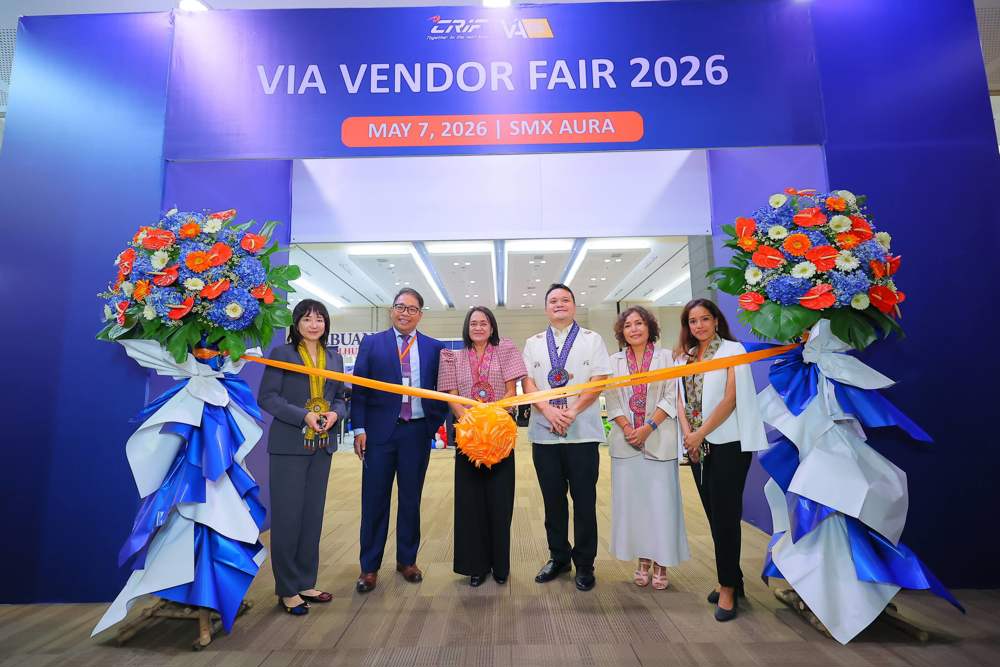
VVF 2026 was held on 7 May at SMX Aura, Taguig City. Attendees came from healthcare, logistics, financial services, energy, construction, and technology — alongside representatives from the Securities and Exchange Commission and the Department of Trade and Industry, Regional Operations Group.
This Year's Theme
The theme for VVF 2026 was VIA the Right Connections: Bridging Businesses with Market Leaders and Emerging Sectors.
The focus was practical: in a more competitive and complex business environment, the quality of a vendor's partnerships matters as much as the quality of their products. The programme was built around what it takes to build those partnerships — through compliance, intelligence, and trust.
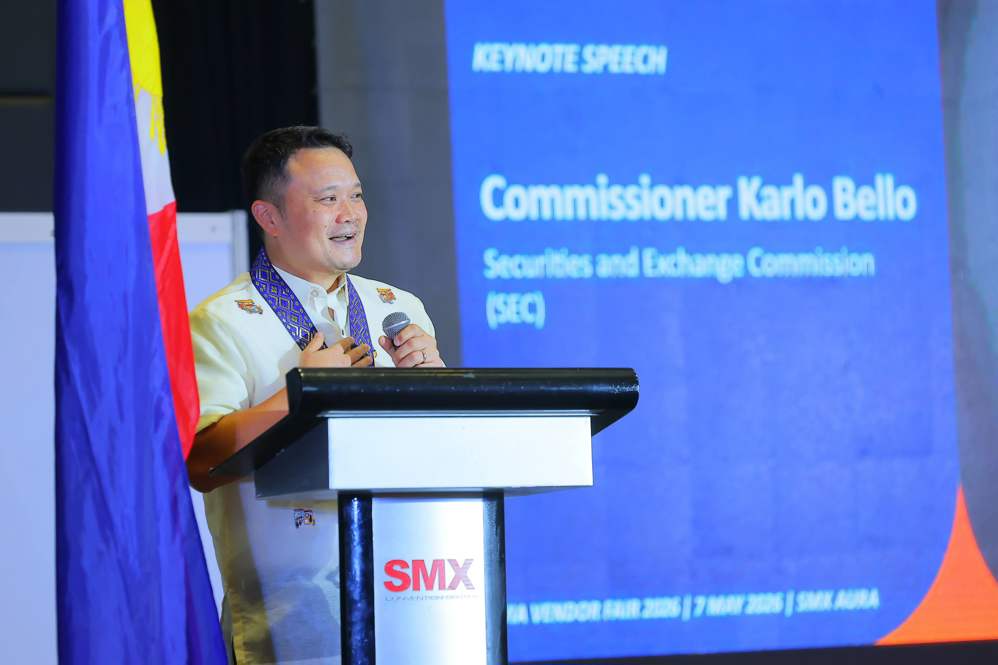
Commissioner Karlo Bello, Securities and Exchange Commission
Commissioner Bello opened the day by outlining the SEC's 2030 Roadmap — a plan to position the Philippines among Southeast Asia's best corporate regulators by the end of the decade.
The roadmap covers four areas: deeper capital markets, stronger governance, smarter enforcement, and a compliance environment accessible to businesses of every size. The SEC's commitment to MSMEs was direct: "MSMEs are not a footnote in that vision. They are its foundation."
In practice, this means several things. The SEC has developed an ESG disclosure framework that distils global standards into 38 priority disclosures, structured across three tiers — Basic, Intermediate, and Advanced — so businesses can start where they are and build from there. The eSPARC initiative (Electronic Simplified Processing of Application for Registration of Company) streamlines company registration for new entrepreneurs. Clearer rules for One Person Corporation owners and greater transparency around capital market access for small companies are also part of the roadmap.
The message was consistent: compliance does not have to be complicated, and the SEC is actively working to make it less so.
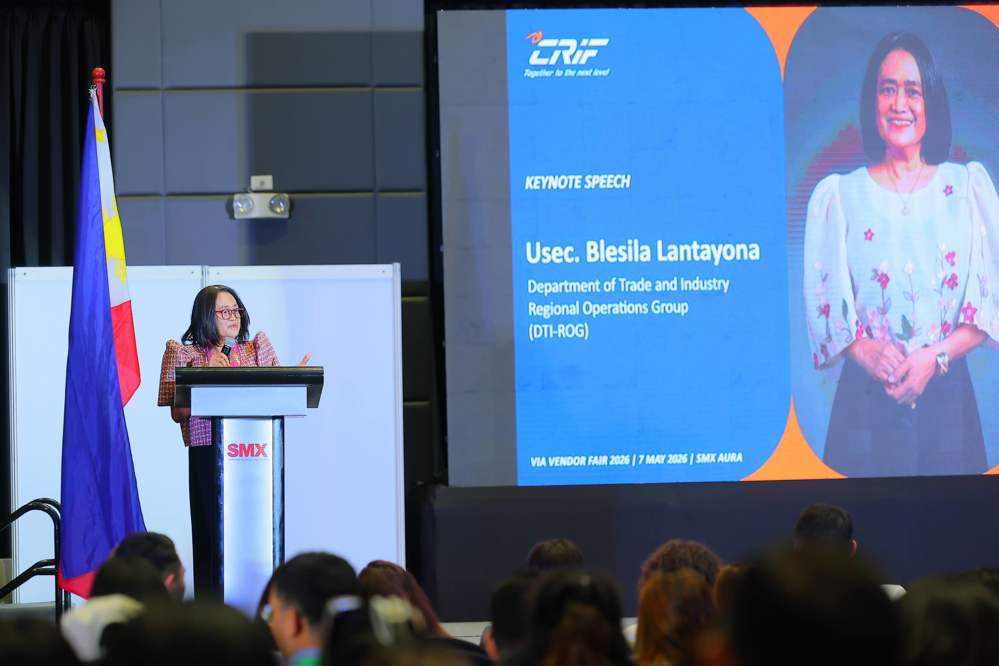
Undersecretary Blesila Lantayona, Department of Trade and Industry, Regional Operations Group
Undersecretary Lantayona focused on what vendors need to do to compete — not just comply.
Her position: regional competitiveness in 2026 requires digital adoption, compliance readiness, and productivity improvement. These are not future goals. They are current requirements for vendors seeking access to larger buyers and regional markets.
The DTI is backing this with practical support. SB Corporation has allocated financing programmes for MSMEs including interest-free loans, women-focused lending, EV transition financing, and business expansion loans. The DTI is also providing market linkage support, formalization assistance, and ESG partnerships with international organisations.
One point worth noting: Singapore is now requiring supplier ESG reports that affect entire supply chains. Philippine vendors supplying to Singapore-linked buyers need to be ready for this. ESG compliance is no longer limited to large enterprises — it is moving down the supply chain.
AM Panel: Trust, Continuity, and Control
Panellists: Edgardo Apitana, Chief Procurement Officer, Magsaysay Group; Kavitha Subramanyam, Multi Country Sales Director, CRIF Asia; Alena Xandra Tan, Finance and Accounting Head, MWM Terminals Inc.; Lino Lacanlale, Vice President of Shared Services Group, Mount Grace Hospitals Inc.; Ruth P. Viray, First Vice President and Group Head of Shared Services Center, PJ Lhuillier Group Inc. Moderated by Ysabelle Alonzo, Head of Supply Chain, Equilife Medical Equipment, Supplies and Services, Inc.
The panel's central argument: compliance and risk management are not audit functions. They are business enablers.
The discussion covered the supply chain pressures Philippine businesses are currently managing — port congestion, import delays, raw material shortages, fuel costs, and labour pressures — and the practical responses available: inventory planning, supplier diversification, buffer stock, logistics partnerships, and digital tools.
On vendor selection, the panel was specific. Large buyers look for financial stability, documentation quality, legal and ethical standing, product quality, transparency, and ESG alignment. MSMEs starting vendor due diligence should begin with the basics: assess financial health, ownership structure, legal history, and geopolitical exposure.
The commercial case for integrity came up repeatedly. Vendors with strong compliance records are winning larger clients, government contracts, and better financing. The panel's closing point: businesses need to move from reactive to proactive — building trustworthy supplier networks and embedding compliance into everyday decision-making.

Business Matching
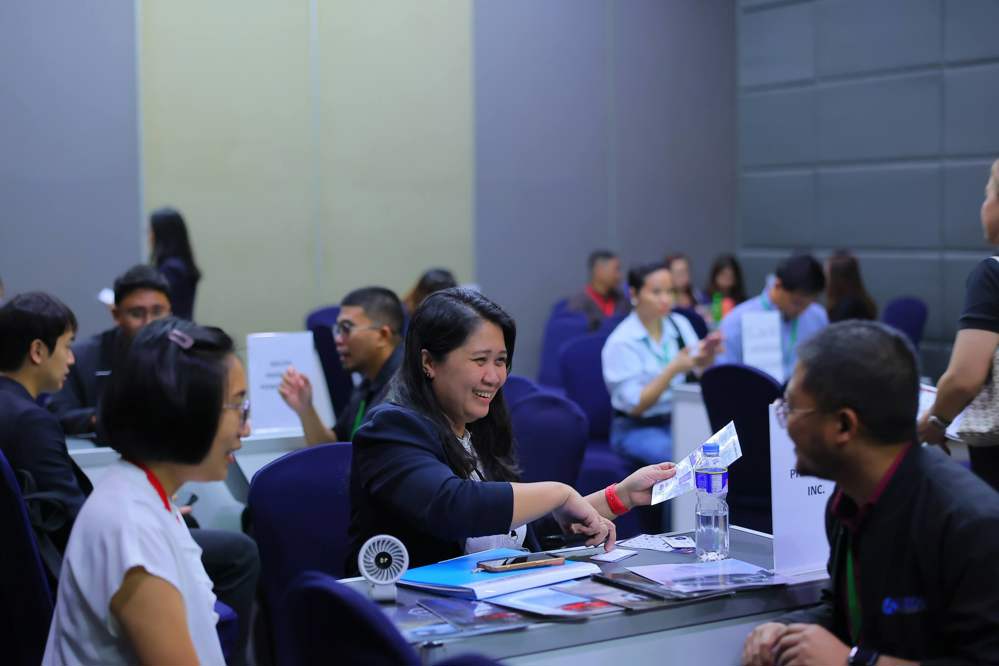
During the lunch break, VIA's Business Matching programme connected vendors and buyers on the floor — matched by industry, capability, and need.
The sessions were intentional, not incidental. Vendors came prepared. Buyers came with clear requirements. The platform had already done the groundwork.
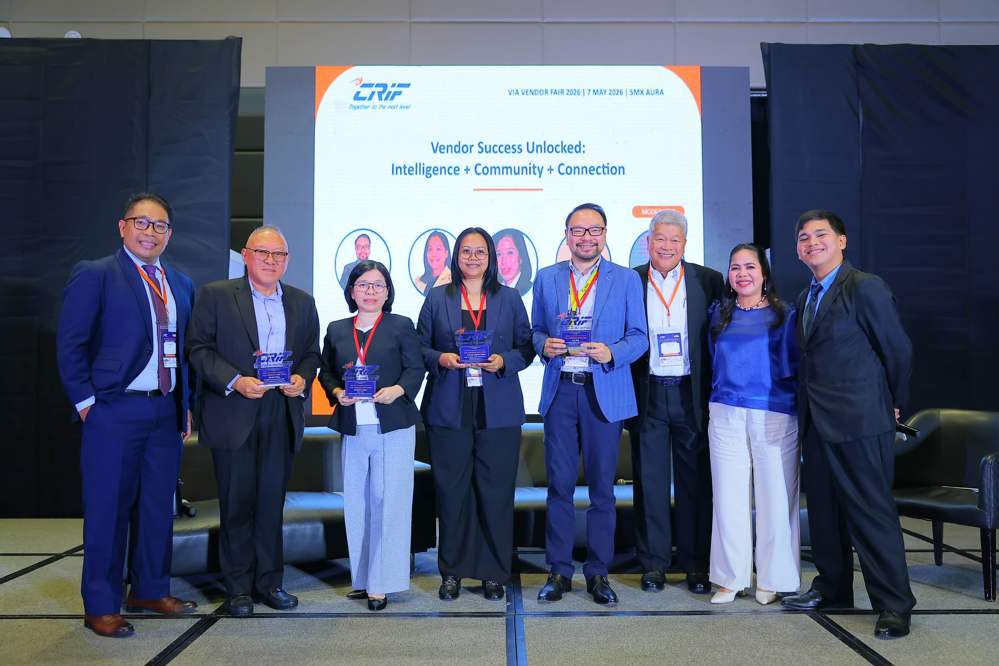
PM Panel: Vendor Success Unlocked
Panellists: Eric King, Vice President of Supply Chain Management, Aboitiz Construction Inc.; Joannah Sujinda Regino, Head of Supply Chain Management, Meralco Energy Inc.; Daniel Ching, President and General Manager, Arizona Integrated Technology Inc.; Josephine Gapuz, Vice President for Sales and Marketing, Infinite Systems Technology Corporation. Moderated by Cynthia Lagonoy, Senior Sales Manager, CRIF Philippines.
The afternoon panel focused on what enterprise buyers actually want from vendors — and the gap between what vendors think buyers want and what buyers say they need.
Price is no longer the primary selection criterion. Buyers are evaluating on value, risk, service quality, ESG alignment, technical capability, and continuity of service after installation. Vendors who win large contracts understand buyer pain points and position themselves as solutions providers, not just suppliers.
For MSMEs, the panel was practical: digital platforms and communities can build visibility without a large budget, but winning enterprise business still requires accurate positioning, genuine understanding of buyer requirements, and consistent delivery over time.
The panel also discussed how intelligence and benchmarking can help vendors close the gap between what they offer and what buyers need. This is where verified business data becomes directly relevant — giving vendors the context to compete more effectively, and giving buyers the confidence to evaluate vendors with less uncertainty.
Exhibitors
VVF 2026 brought together exhibitors spanning financial services, telecommunications, food and beverage, marketing, and staffing solutions — reflecting the breadth of industries represented in the VIA community.
Exhibitors included PJ Lhuillier Group of Companies, Manila Kitchens, Alpha Multi Core Corporation, Palawan Group of Companies, Canon Marketing (Philippines), Inc., APEX Franchise Ventures OPC, and Q Media 360° Advertising Corp., IdeaGCS, E. E. Black, Ltd., Uni-Tech, Globe Business, Freight Connection, ZMG Group, and Arizona Integrated Technology, Inc., Giftmade Trading Opc, Unidoor Systems, Inc., Electronic Security Systems Corporation, Wellthy Solutions Inc., Excent One, GICF, Mapecon Phils. Inc., BoxTalks Inc. (Beyond the Box), and Multibook.

What VVF 2026 Showed Us
The message across every session was consistent: credibility is no longer a differentiator for vendors. It is the baseline expectation.
The regulatory environment is becoming more structured. Buyer expectations are rising. The market is rewarding vendors who show up prepared, transparent, and compliant.
The infrastructure is being built — by the SEC, by the DTI, and by platforms like VIA. Vendors who prepare now are the ones who will access the opportunities being created.
Here's to building the vendor ecosystem the Philippines deserves.
For more information about the VIA platform, visit https://www.crif.com.ph/our-offerings/business-information/vendor-integrity-access-via/
